
You can have flawless structure — three clean acts, seamless transitions, an engaged audience — and still drive home knowing you were the host, not the keynote speaker.
That’s the “MC Problem”, and it happens to executives who are fully prepared and deeply credentialed.
ACTIVE architecture — the third element of the B.R.A.V.E. Framework™ — fixes half of it. The other half is the Signature Story.
Here’s what they build together, and what it looks like when both are in place.
The Problem Nobody Talks About After a “Successful” Keynote
There’s a specific kind of silence on the drive home after a well-received keynote.
Not the silence after something went wrong. The other kind.
The transitions were seamless. The audience was engaged. The Comms team said all the right things.
And you still can’t shake the feeling that you spent the last 60 minutes introducing other people’s moments.
The customer got the applause. The demo got the reaction. The product got the standing ovation.
You got the thank-you.
(As explored in this post, a keynote that doesn’t land usually isn’t a delivery problem. This particular version of it has a name.)
I call it the MC Problem.
What the MC Problem Actually Is
The MC Problem happens when the architecture is there but the Signature Story isn’t — when the through-line belongs to the event rather than to you.
Here’s the mechanism:
- The architecture is there. The Rule of Threes, the transitions, the pacing — all clean. Three acts perfectly executed.
- The Signature Story isn’t. The through-line serves the event’s agenda — the customer’s moment, the demo’s reveal, the product’s reaction — instead of your own story.
- The result: you become the supporting character. Not the star. The connective tissue. Not the main character.
Three acts don’t make the story yours. Your Signature Story does.
The Signature Story — What It Is and What It Isn’t
The Signature Story isn’t your bio. It isn’t a warm-up anecdote. It isn’t the version of your origin story that the Comms team approved.
It’s the 3–5 sentences that don’t need your title to land.
(This is the piece that ACTIVE architecture alone can’t build — ACTIVE makes your story cinematic; the Signature Story makes it unmistakably yours.)
The through-line that makes every act yours — regardless of who else is on that stage, what the agenda looks like, or who else got the reaction in Act 3.
It works on any stage. Any platform. Any room.
When your Signature Story is built, the Rule of Threes has something to orbit around. The three beats aren’t just structural. They serve a story that’s entirely yours.When it isn’t built, the architecture holds. But you’re still the host.
What ACTIVE and the Signature Story Build Together
ACTIVE gives your story a cinematic frame. The Signature Story gives it a main character.
Without ACTIVE, a Signature Story is just a paragraph. It doesn’t travel across platforms, it doesn’t move through 60 minutes of stage time, it doesn’t give the audience someone to root for.
Without the Signature Story, ACTIVE is B-roll footage without a story. Beautiful cinematography. No narrative arc.
Together, they do something neither can do alone: they put the real version of you in front of the audience — with a story they can feel, not just hear.
ACTIVE isn’t a delivery skill. It’s an architectural decision — made before you ever walk into the building.
What This Looks Like in Practice
An executive I worked with wanted a cinematic closing moment for a keynote — something unexpected, something the audience wouldn’t see coming.
One option on the table was a consultation with a professional magician. These cost tens of thousands of dollars — and that’s if you can find one willing to disclose how the trick actually works.
We chose a different path.
Instead, I found a stunt coordinator, someone with the right training to build something that was both safe and genuinely surprising.
(As shown in this post, the same architecture that makes a metaphor land also makes an ACTIVE physical moment work — the setup must be built long before the moment itself.)
This is where my dual background matters. On the one hand, I have 25 years on film sets and event stages. On the other hand, I am a Certified Consent-Forward Artist and intimacy coordinator with stage combat training. When a physical moment needs to happen safely in front of thousands of people, this combination is the difference between a cinematic moment and a liability.
The result: the disappearance happened safely. And the executive received a standing ovation.
Cinematic ideas need the right expertise as much as they need the right structure. That’s what ACTIVE architecture combined with a Signature Story actually produces — not just a bold moment, but one that’s earned, safe, and unmistakably part of the larger story being told.
What ACTIVE Architecture Builds
The goal was never just a better keynote.
It’s the moment you walk off that stage thinking “Fuck yeah!”, not “I got through it.”
That’s not a confidence shift. It’s an architecture shift. The real version of you, the one that exists in every room without a microphone, finally making it to the Mic.
Structure alone doesn’t make you the keynote speaker. The Signature Story does.
Together, they’re the difference between a technically flawless appearance and one that’s unmistakably yours.
Ready to build the architecture that makes you the keynote speaker, not the host?
Fully Yourself on Any Stage is the excavation that builds your Signature Story — before you ever step on the stage. Not a confidence exercise. Not a template. Architecture.
► GET “FULLY YOURSELF ON ANY STAGE” — $44
Author Bio
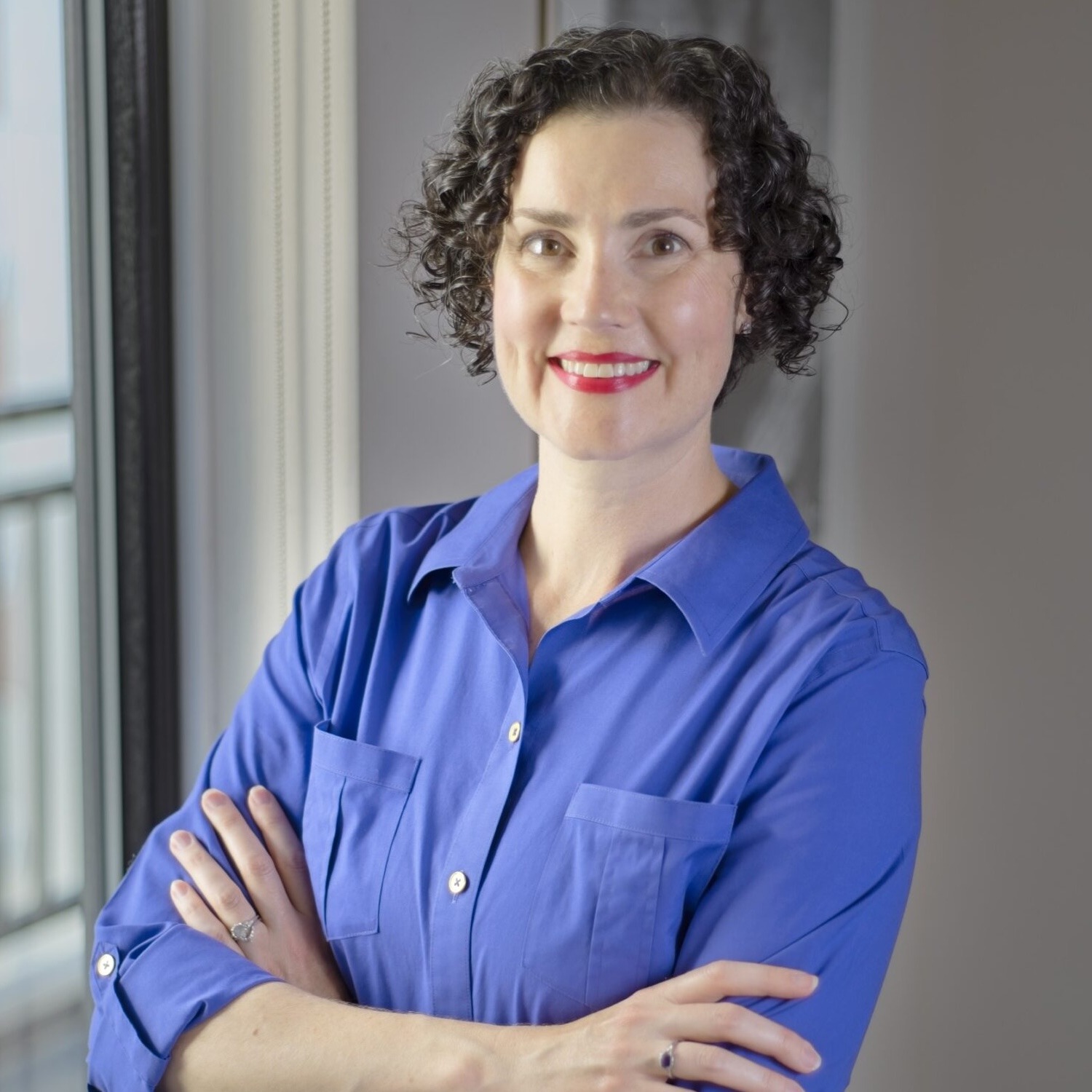
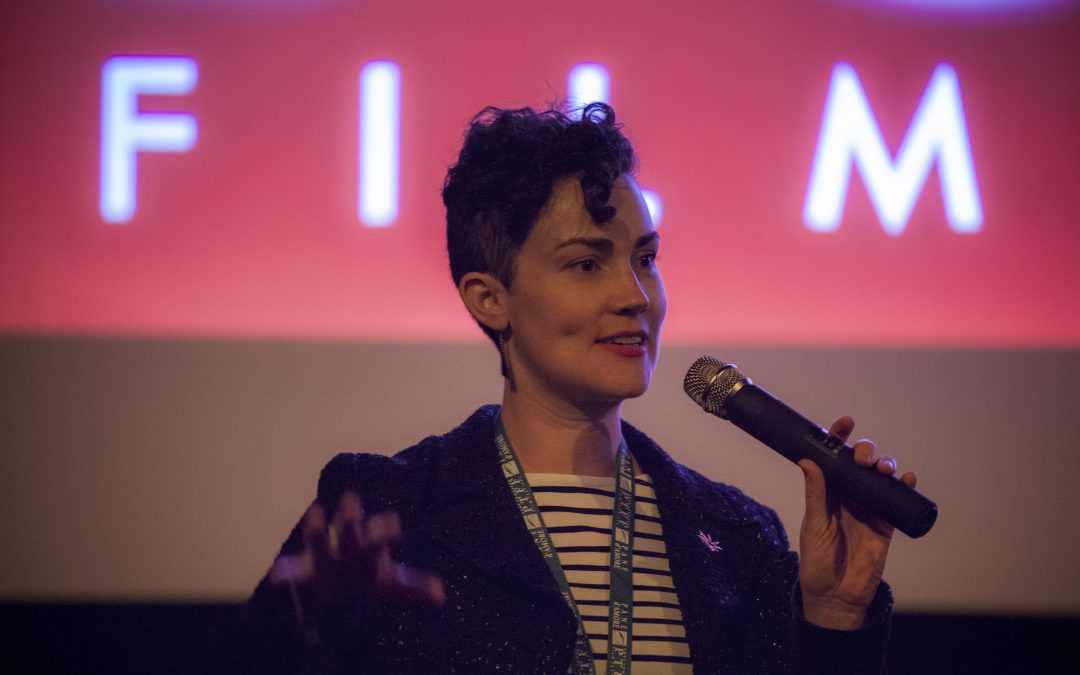
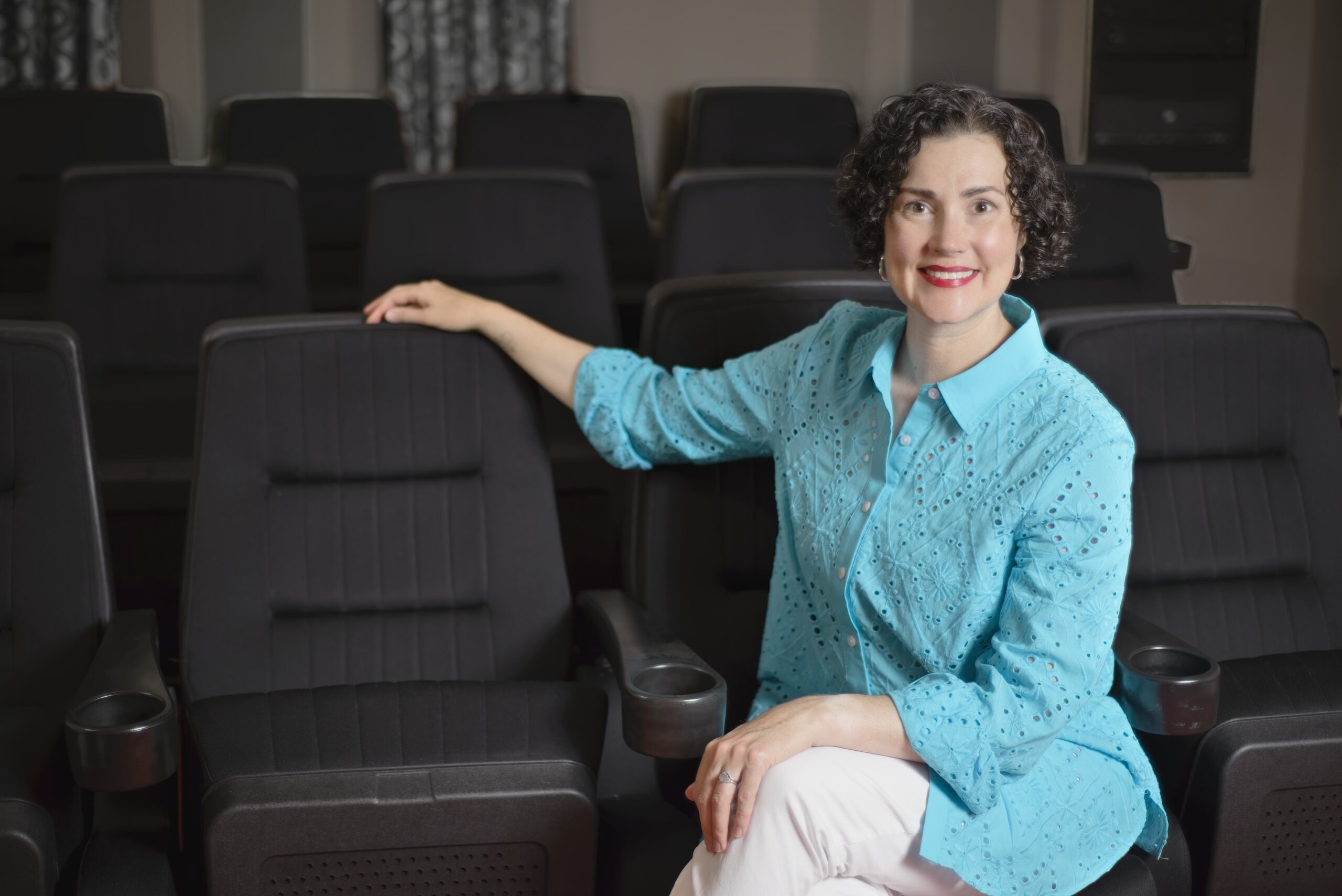
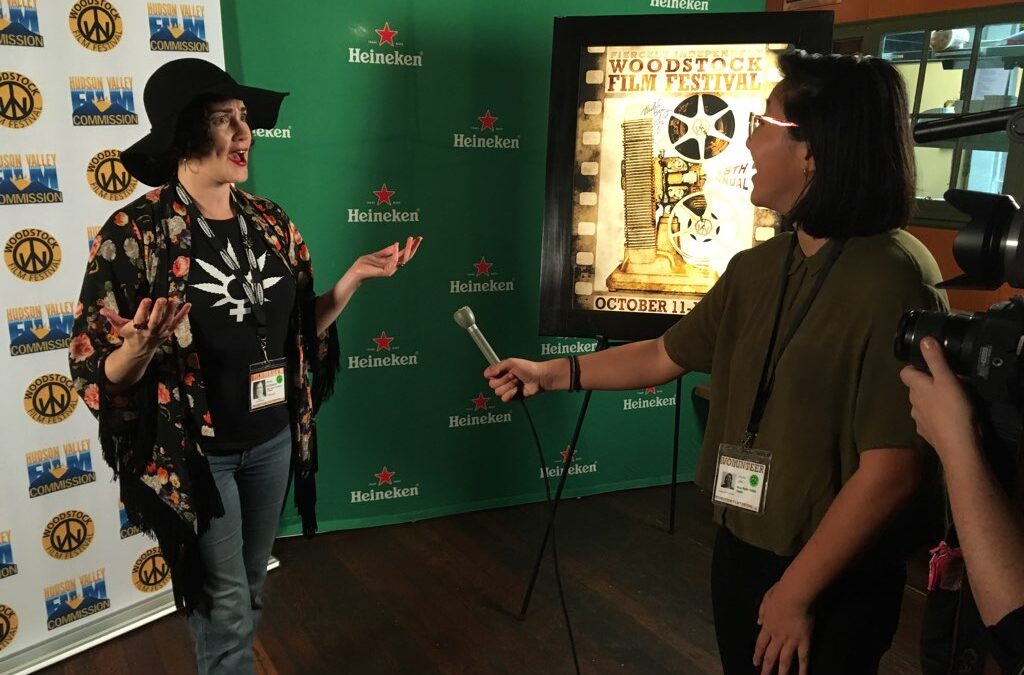
Windy Borman is a documentary filmmaker, Narrative Architect, and creator of the B.R.A.V.E. Framework™. After 25+ years on both sides of the camera and the stage, she helps female and non-binary executives build the narrative architecture that gets the real version of their story from the Green Room to the Mic. Her films have screened at festivals worldwide and her work has been featured in Variety, the New York Times, the Washington Post, Forbes, NBC, and ABC
0 Comments