
You know the story is powerful. You just don’t know how to tell it without giving too much — or so little that it lands flat.
The fear isn’t the story. The fear is telling it at the wrong time, in the wrong room, before the architecture is ready to hold it.
This post gives you the practical framework for when your resilience story is ready to tell — and exactly how to tell it across the four platforms that matter most: the stage, the media interview, LinkedIn, and your bio.
This post is part of the RESILIENT series. Start with Post 1: What RESILIENT Actually Means in Leadership and Post 2: Why Your Resilience Story Is Still on the Cutting Room Floor
First — The Wound vs. Scar Diagnostic
Before the framework, the diagnostic. The most important question isn’t “is this story powerful?” It’s: am I telling it from the scar or the wound?
The wound is still raw. When you tell a story from inside the wound, the pain is in control — not you. The audience feels the cost. They don’t receive the lesson.
The scar is different. Healed, marked permanently, but closed. From the scar, you have the distance to see the story’s full shape. You can name what happened without being undone by it.
One self-test: Can you tell this story without being undone by it?
If yes — keep reading. The three-condition framework is for you.
If not yet — skip to Section 4. The story isn’t ready. You are still building the architecture that will hold it.
The Three-Condition Framework
Even when the teller is ready, the story needs three conditions present before it earns its place in the room.
Condition 1: The emotion is specific.
Not “it was one of the hardest things I’ve ever done” — the specific cost. The specific moment. The specific thing that changed. Specificity is what makes emotion transferable. The more precise the feeling, the more universal the recognition.
Vague emotion asks the audience to do work they didn’t sign up for. Specific emotion puts them inside the frame.
Condition 2: The emotion is earned.
The audience has to arrive at the emotional moment already holding what it costs. You can’t open with the most vulnerable chapter and expect it to land. The architecture of the story has to carry the weight first.
The keynote that opens with the hardest moment skips the setup that makes the moment matter. Build to it. Let the audience earn the weight before you ask them to hold it.
Condition 3: The story — and the teller — are ready to hold it publicly.
The container — the talk, the interview, the article, the post — has to be structurally sound enough to make the emotional moment feel inevitable rather than indulgent.The story doesn’t just need to be true. It needs to be ready for the room it’s going into.
“You don’t need to be fearless to tell this story. You need the architecture that makes it land.”
How to Tell It on Each Platform
The three conditions apply everywhere. Here’s what they look like in the four rooms where the story matters most.
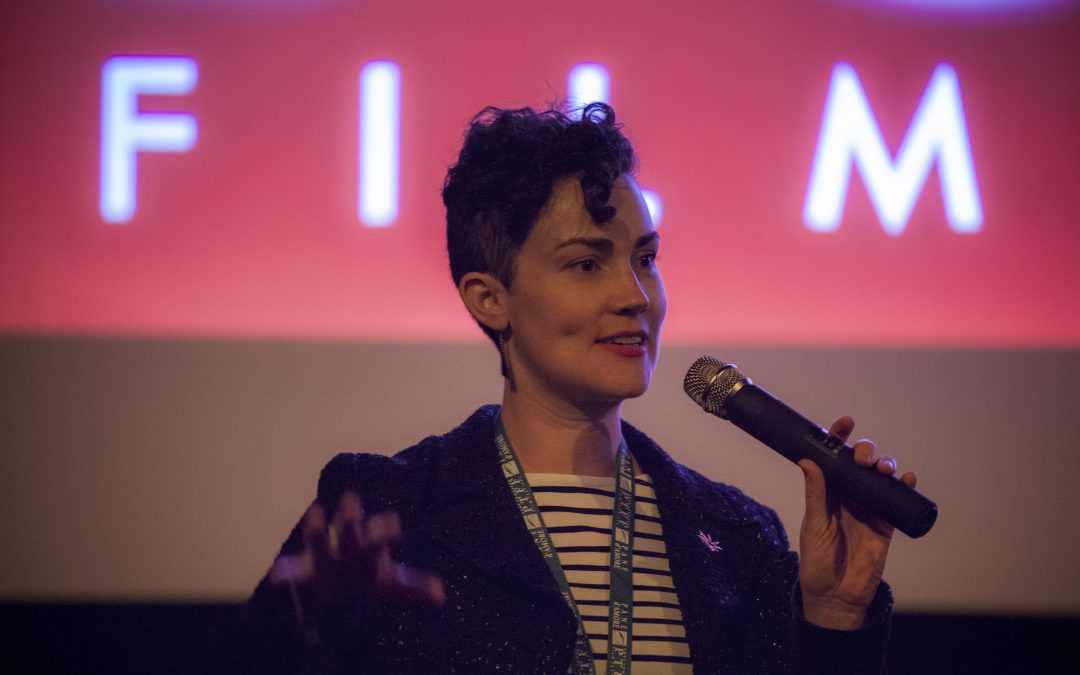
On Stage / During a Keynote
Don’t open with the hardest moment. Build to it. Give the audience enough context to understand what the moment costs before it arrives.
The resilience story isn’t the opening — it’s the turning point that earns the lesson.
Practical Tip: Name the obstacle in the first third of the talk. Deliver the credential — what it built — in the final third. Never in the first five minutes.
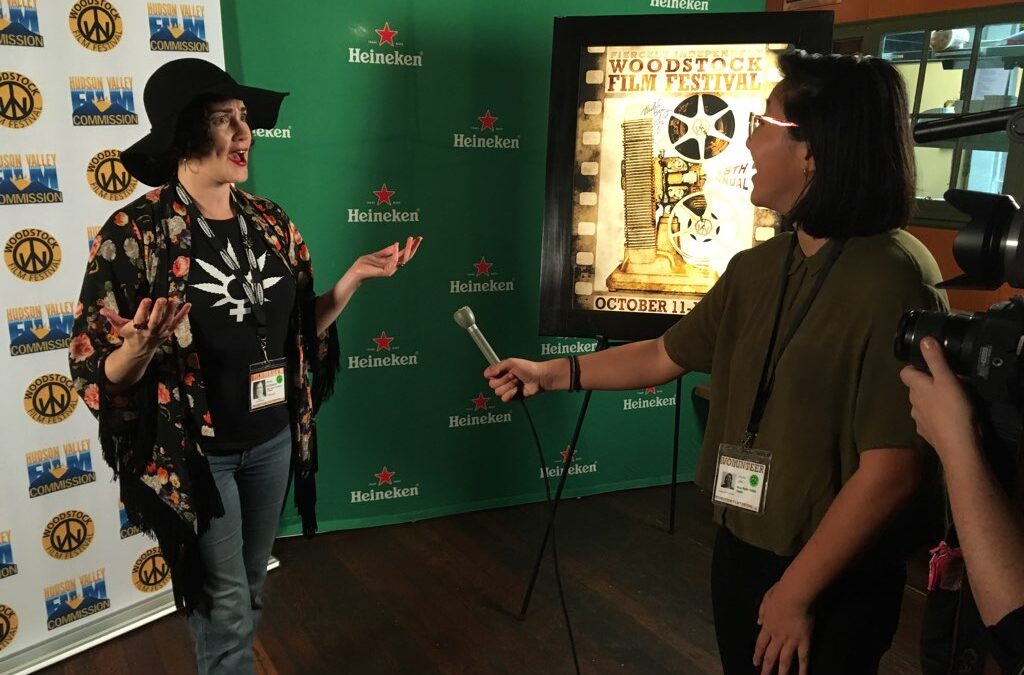
In a Media Interview
When the journalist asks the hard question, answer it specifically — not generally. “It was challenging” is not an answer. “We lost two distribution partners to bankruptcy in the same quarter” is. The specific answer is the one that gets quoted. The general answer gets cut.
Practical Tip: Prepare one specific sentence about the obstacle before every interview. One sentence, not a paragraph. The journalist will ask for more if it lands.
On LinkedIn
The resilience story works best as the opening line — not buried in paragraph three. Name the obstacle in the first sentence. The audience decides whether to keep reading in the first line, not the first paragraph.
Practical Tip: Write the real version first. Then ask: which part of this am I most tempted to edit out? That part is almost always the right first sentence.
In Your Bio
The bio is the most edited document in most executives’ lives — and the one most in need of the resilience story. Not a full arc. One sentence that names the obstacle and the body of work it built.
Practical Tip: “After [specific obstacle], I built [specific body of work].” Fill in the specifics. That one sentence does more credibility work than three paragraphs of titles.
When the Story Isn’t Ready Yet
If you ran the diagnostic in Section 1 and realized the story isn’t ready — that’s not a failure. It’s an architectural signal.
It means the container needs to be built first. The narrative architecture that will hold the weight of the moment when it arrives.
Three things to do right now:
- Name it privately. Write the version you’d never publish — just to have it on paper. Getting it out of your head and onto the page is the first architectural move.
- Identify the specific cost. Not “it was hard.” What exactly did it cost you — time, money, relationships, reputation? The more specific the cost, the more specific the credential that came from it.
- Diagnose where your narrative architecture is holding now. Start building from the sections that are already strong. The Scorecard shows you exactly where those are.
The story will be ready. The architecture just needs to be built first.
For the full argument on why the long game builds around what you name: Post 4: The Company Closed. The Story Didn’t
The One Question to Ask Before Every Room
Before every talk, every interview, every post, every bio update — one question:
“Is the story I’m about to tell the specific, earned, container-ready version — or is it the version I chose because it felt safer?”
If it’s the safer version, that’s useful information. It means the architecture isn’t built yet. Start there.
The Executive Storytelling Scorecard shows you exactly where your narrative architecture is holding — and where your resilience story is still waiting for the right container.
► DOWNLOAD THE SCORECARD — FREE
About the Author
Windy Borman is a documentary filmmaker, Narrative Architect, and creator of the B.R.A.V.E. Framework™. After 25+ years on both sides of the camera and the stage, she helps female and non-binary executives build the narrative architecture that gets the real version of their story from the Green Room to the Mic. Her films have screened at festivals worldwide and her work has been featured in Variety, the New York Times, the Washington Post, Forbes, NBC, and ABC.
Continue reading: Post 4: The Company Closed. The Story Didn’t


0 Comments