
In September 2022, I filed the Articles of Dissolution with the Secretary of State to close Green Mile Pictures, LLC.
With the push of a button, my third company was closed. Six years of building — crowdfunding campaigns, festival premieres, distribution deals, censorship appeals — ended on a Monday.
I was at peace with it.
This post is the fourth and final in the RESILIENT series. Start at the beginning: Post 1: What RESILIENT Actually Means in Leadership
Six Years. One Button Push.
Green Mile Pictures was the production company behind Mary Janes: The Women of Weed — a documentary about women entrepreneurs in the cannabis industry.
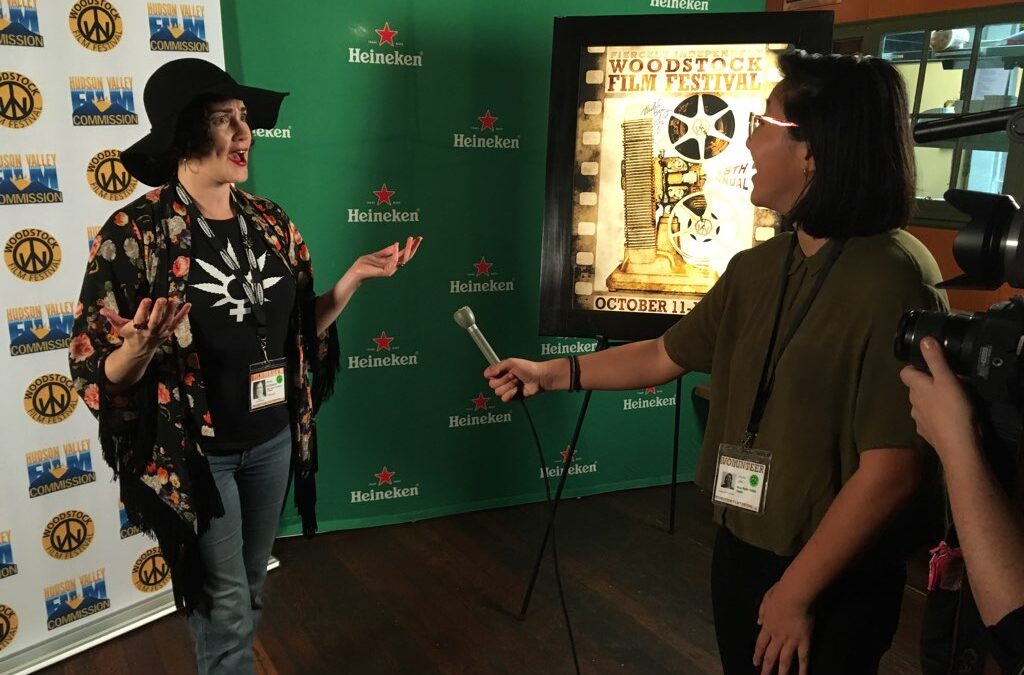
We built it from a crowdfunding campaign. We survived six years of social media censorship that handicapped every promotional push we ran. We screened at the Mill Valley Film Festival, the Woodstock Film Festival, and festivals across the country. We won Best Documentary and the Visionary Award. Variety, the Associated Press, the New York Times, the Washington Post, Forbes, NBC, and ABC covered the story.
Then two distribution companies went bankrupt. A global pandemic shuttered the theatrical market. The legal and insurance costs to continue distribution outpaced what the film was bringing in.
I ran the numbers. The numbers were clear.
“I left it all on the floor.” There was nothing left to second-guess.
September 12, 2022. A Monday. The Articles of Dissolution. One button push.
Mary Janes: The Women of Weed is still streaming on Kanopy — free, for anyone with a library card.
The company closed. The body of work didn’t.
A Company Can Close. A Body of Work Can’t.
Here’s the distinction worth naming — the one most executives don’t have language for until they need it.
A company is a vehicle.
It’s the legal structure, the bank accounts, the contracts that carry the work from here to there. When the vehicle can no longer carry the weight, you close it. That’s not failure. That’s an architectural decision — the same kind a filmmaker makes when footage doesn’t make the Final Cut. Not because it wasn’t good. Because it had done its work.
The work it was carrying? That’s the quest.
And quests don’t close when the vehicle does.
Mary Janes started conversations about women in cannabis, corporate responsibility, and what female entrepreneurship actually costs — conversations that are still happening. The women who saw themselves in the film still saw themselves. Green Mile Pictures, LLC is gone. The impact it was built to create is not.
Your version looks different. Maybe it’s the company. Maybe it’s the role that ended before you were ready. The project that got cancelled. The platform that pulled the plug. The chapter you closed because the numbers were clear, even when everything else said keep going.
“A company is the vehicle. A body of work is the quest. And quests don’t end with the vehicle.”
The hardest stories about what the vehicle cost are the ones with the most credibility: Post 2: Why Your Resilience Story Is Still on the Cutting Room Floor
What the Long Game Actually Builds
The long game doesn’t pay off in accounting. It pays off in architecture.
Three things it builds that the balance sheet doesn’t capture:
Archival credibility.
Every obstacle that stayed in the story adds proof that the stakes were real. Every chapter — the bold thing said, the room survived, the emotion held until the architecture was ready, the company dissolved on a Monday — is in the archive now. Archives compound. Balance sheets close.
Transferable authority.
The expertise built across six years of making Mary Janes didn’t dissolve with the LLC. The knowledge of what it costs to make something that matters — and what it teaches when the vehicle closes — carries weight in every room that followed. That knowledge is not company-specific. It’s permanent.
The body of work that outlasts the title.
Companies close. Roles end. Titles change. The ideas you put into the world, the rooms you changed, the conversations you started — those don’t close with the company. That’s the permanent record. That’s what the long game is actually building toward.
For the framework on how to tell this story across every platform: Post 3: How to Tell Your Resilience Story Without Bleeding in the Room
Your Long Game Is Already in Motion
You have a version of this story.
The work that’s still standing — even after the vehicle that carried it closed. The expertise that didn’t disappear when the org chart changed. The conversations you started that are still happening without you in the room.
Three questions that surface what’s already in the archive:
- What have you built that’s still standing — even after the vehicle that carried it closed?
- What’s in your archive that hasn’t been named as a credential yet?
- What would the permanent record of your ideas look like if you connected what’s already there?
You don’t need to start over. The long game is already in motion. The question is whether the narrative architecture is in place to make it visible — and to make it matter — in every room that counts.
The Body of Work Is the Proof
This is the fourth and final post in the RESILIENT series.
Here’s the narrative arc, in four lines:
The platform silenced you. You built the campaign anyway.
The room wasn’t built for you. You built your own.
The emotion wasn’t ready. You built the container.
The company closed. The body of work didn’t.
That’s not a collection of setbacks.
That’s a Hero’s Journey.
The body of work is the proof that the quest was real.
The long game doesn’t end when the vehicle closes. It compounds. And the archive that’s been building all along? That’s yours — with or without the company.
Ready to see where your body of work is already holding — and where the architecture still needs building?
| Price | Offer | Description & Link |
| Free | Executive Storytelling Scorecard | 15 minutes. Four platforms. One honest look at where your narrative architecture is holding — and where it isn’t. windyborman.com/executive-storytelling-scorecard/ |
| Free | B.R.A.V.E. Checklist | Your pre-flight check before every appearance. Maps all five elements of the B.R.A.V.E. Framework™ — including RESILIENT. windyborman.com/brave-checklist/ |
| $44 | Fully Yourself on Any Stage | The guide to building the Signature Story that holds under pressure — on camera, on stage, on the record. Not the safe version. windyborman.com/fully-yourself-on-any-stage/ |
About the Author
Windy Borman is a documentary filmmaker, Narrative Architect, and creator of the B.R.A.V.E. Framework™. After 25+ years on both sides of the camera and the stage, she helps female and non-binary executives build the narrative architecture that gets the real version of their story from the Green Room to the Mic. Her films have screened at festivals worldwide and her work has been featured in Variety, the New York Times, the Washington Post, Forbes, NBC, and ABC.
Read the complete RESILIENT series:

0 Comments