
Most people think a memorable line is about word choice. It’s not. It’s about what happens around it: the pause before, the pause after, and sometimes the pause right in the middle of a sentence, exactly where you need the room to catch up.
I spent years in theatre learning to keep the pace clipping along, and just as many years behind the camera watching which moments actually made the cut. The line that gets remembered is never the one that gets rushed. It’s the one with space built into it, and knowing exactly where that space goes is the kind of nuance I work through with leaders one-on-one.
Why We’re Trained to Fill Every Silence
Most of us are taught the opposite of what actually works.
In theatre, our motto is “the show must go on.” Shakespeare wrote, “Brevity is the soul of wit.” We warm up our voice by chanting, Energy, projection, keep the pace clipping along. There’s even a joke about it: ask someone the most important element of comedy, and they’ll interrupt you mid-response to say, “Timing!”
Every instinct in that training says: move fast, don’t lose the room, don’t let the energy drag.
And yet the most unforgettable moments I’ve ever witnessed onstage or on camera weren’t fast. They were spacious.
Two Masters of the Pause
Two examples show how differently this plays out, depending on what the moment calls for.
On March 24, 2018, 18-year-old Emma González stood at a podium in Washington, D.C., at the March For Our Lives. For four minutes and twenty-six seconds, she said nothing at all. She just stood there, tears streaming down her face, jaw set, staring out at a crowd of hundreds of thousands who had shown up expecting a speech. No fidgeting. No glancing away. Just stillness, held for longer than most speakers would dare hold anything. That silence was the speech. It was exactly how long it took a gunman to kill 17 people at her high school in Parkland, Florida.
Comedians can also use pauses to give the audience room to laugh and to set up their punchlines.
At the end of her Netflix special, Not Normal, Wanda Sykes builds to her closing joke, then stops talking completely. For fifteen full seconds, she says nothing. She stands there, scratching an imaginary beard, fanning herself dramatically, letting the comedic tension build the longer she holds it. Only then does she lean in and deliver the line that brings the house down.
González’s silence carried moral weight. Sykes’s carried comedic timing. Different rooms, different stakes, same underlying skill: knowing exactly how long to let a moment breathe before you speak makes you memorable.
How to Practice This Yourself
You don’t need four minutes like González, or fifteen seconds like Sykes. You need a plan, and a little practice.
- Pick your moment in advance. Choose one place in your next talk, interview, or high-stakes conversation where you’ll build in a pause on purpose. Don’t leave it to chance in the room.
- Say the line. Deliver it the way you planned, without rushing to soften it or explain it further.
- Stop. Resist the instinct to fill the space immediately with your next thought.
- Count to three before you continue. It will feel unbearably long the first time. It won’t look that way to anyone else.
The first few times you try this, the pause will feel like it’s stretching forever. That’s your instinct talking, not the room. With practice, three seconds starts to feel natural, and the room starts to lean forward instead of losing interest.
What Changes When You Trust the Pause
Once you practice this a few times, something shifts. The pause stops feeling like dead air and starts feeling like the moment where the room actually catches up to you.
Your line stops competing with everything you said before and after it. It gets its own space, and space is what makes something memorable. Nobody quotes the sentence that got buried in a rush of other sentences. They quote the one that had room to land.
This is what turns a good line into a Usable Soundbite: a line surrounded by enough silence that it stands on its own, easy to lift, easy to repeat, easy for someone else to carry out the door and hand to somebody who wasn’t there.
It’s the same principle I wrote about in Why Executives Freeze and Fidget on Camera: your editor is going to cut together your strongest moment, and a pause is often what makes a moment strong enough to cut around in the first place.That’s the real value of the pause: memorable in the room, usable on multiple platforms.
Ready to Build in the Pause?
You now know how to spot the moment, and how to hold it. The B.R.A.V.E. Checklist walks you through where else in your story the same principle applies, standing, moving, speaking, and pausing, with intention instead of by accident.
► Download the B.R.A.V.E. Checklist — Free
You’ve practiced the pause. Next, we look at what all of this actually builds over time, the story, the reputation, the rooms that start opening because of how you show up in the ones you’re already in. That’s what we cover in What Commanding the Room Builds for Women Executives.
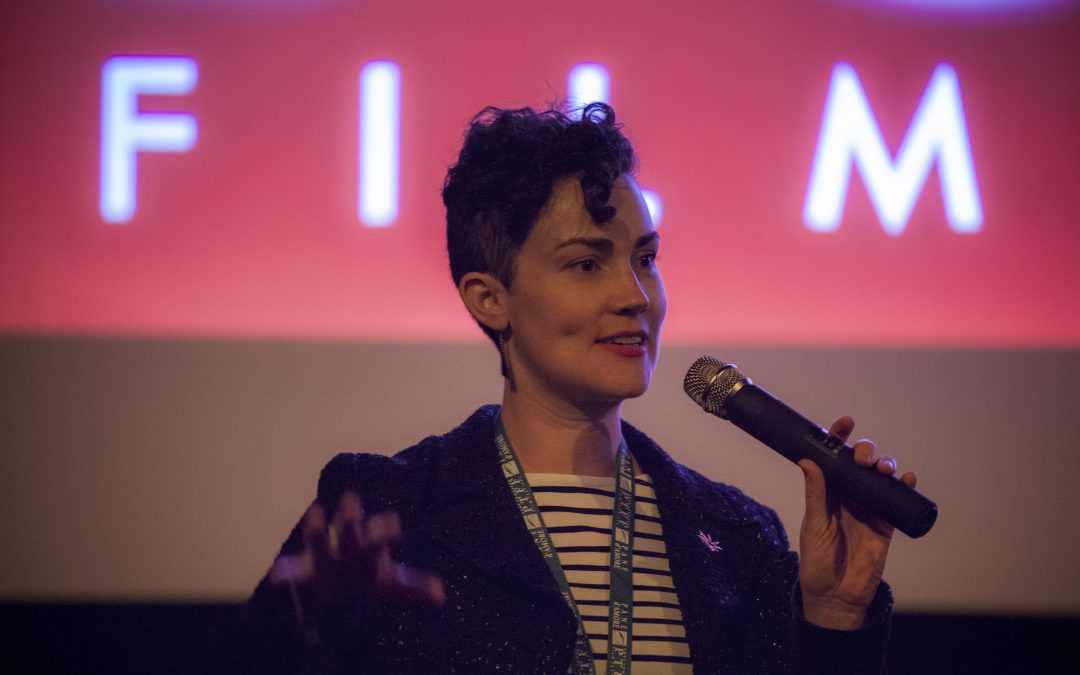
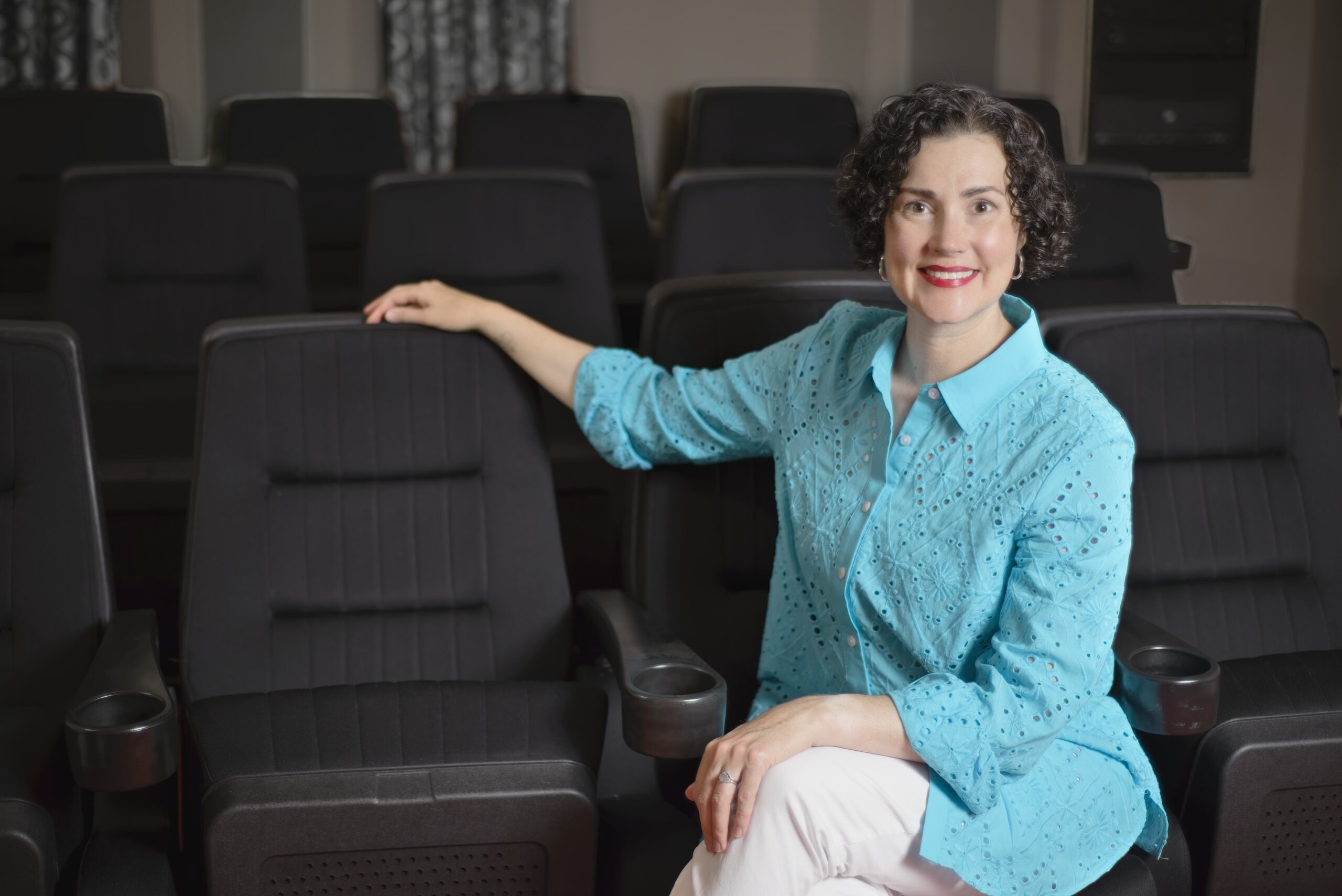
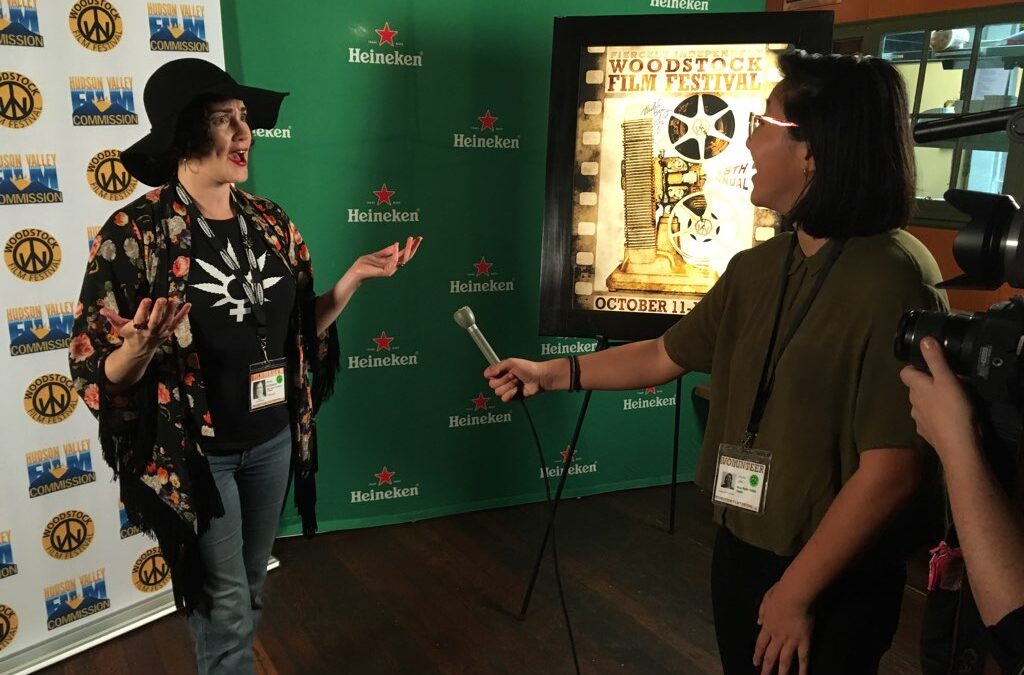
Windy Borman is a documentary filmmaker, Narrative Architect, and creator of the B.R.A.V.E. Framework™. After 25+ years on both sides of the camera and the stage, she helps female and non-binary executives build the narrative architecture that gets the real version of their story from the Green Room to the Mic. Her films have screened at festivals worldwide and her work has been featured in Variety, the New York Times, the Washington Post, Forbes, NBC, and ABC.

0 Comments