
By Windy Borman, Narrative Architect | WB Consulting LLC
The boldest thing I’ve ever witnessed in a room wasn’t the loudest.
It was one sentence. Said calmly. With a period, not an exclamation point.
That’s the definition most women leaders are missing — and it’s costing them the rooms they’ve already earned the right to own.
The Model We’ve Been Shown
We’ve been taught to recognize bold by its volume.
The table flip. The confessional-cam meltdown. The performative outrage engineered for clicks. The Manosphere, where men have built entire personal brands on shock, dominance, and the performance of fearlessness. Political chambers where volume has replaced vision and aggression has replaced argument.
We’ve watched this model our entire careers — and somewhere along the way, we absorbed it as the definition.
Bold = loud. Bold = aggressive. Bold = filling the room with enough energy that nobody can ignore you.
That’s not bold. That’s noise with a personal brand.
Why This Definition Specifically Fails Women
Here’s the trap that model sets for women in leadership — and it’s a vicious one.
Adopt the loud model of bold and risk being labeled difficult, aggressive, or too much. Stay quiet and watch someone else get credit for the idea you had three meetings ago.
Neither option is right. And neither option is bold.
The loud model was never built for women. It was built by men, for men, in rooms designed by men. Importing it wholesale into your leadership style doesn’t make you bold. It makes you a pale imitation of a model that was never yours to begin with.
You deserve a better definition.
What Bold Actually Is
Bold is an architectural decision.
Not a personality trait. Not a confidence level. Not a volume setting. A decision — made deliberately, structurally, before you walk into the room — to say the real version of what you mean instead of the safe version.
The boldest thing in the room is almost never the loudest.
It’s the most specific. The most precise. The most unmistakably, irreplaceably yours.
It’s the sentence that feels too personal, too niche, too much like just you — and that’s exactly why it lands. It doesn’t fill the space with volume. It says the true thing. And the room reorganizes around it.
Bold isn’t the loudest thing in the room. It’s the most specific.
The bold version doesn’t announce itself. It doesn’t try to dominate the room. It simply says what needs to be said — calmly, precisely, with a period — and lets that be enough.
It is enough. It’s more than enough.
The Proof
I was in an Editing Room cutting the trailer for my documentary Mary Janes: The Women of Weed. We had powerful material — fist-in-the-air, yes-we-can energy. Loud. Triumphant. And then one of my interview subjects, Betty Aldworth, said this:
“Cannabis is not a gateway drug, but cannabis offenses are a gateway to the criminal justice system.”
It wasn’t the loudest thing in the room. It wasn’t the most energetic. It was the most specific — and it became the most quoted line in the film.
Not because we made it louder. Because we gave it breathing room.
That’s what happens when bold is built on specificity instead of volume. It doesn’t compete with everything else in the room. It reorients it.
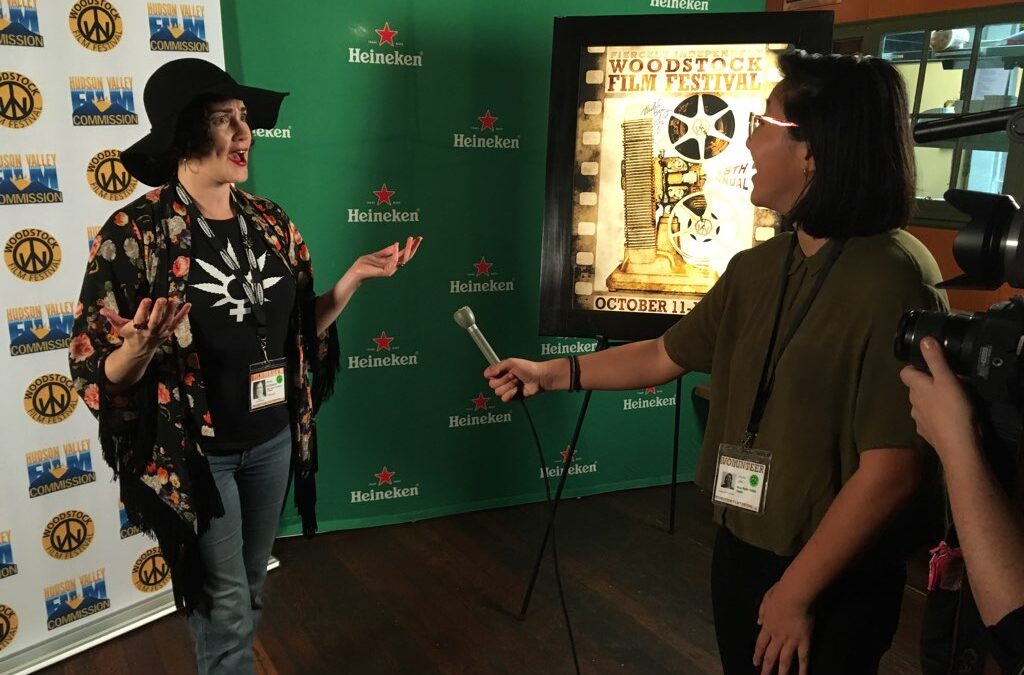
I’ve seen the same thing happen in media interviews. A male journalist once asked me whether I could be objective about women leading the cannabis industry. I told him, calmly, that the question was sexist — because it assumed that only men could be objective. One sentence. No heat. No speech. That sentence became the pull quote for the piece.
One true sentence. Said calmly. With a period, not an exclamation point.
Not louder. More true.
The One Question That Changes Everything
Before your next keynote, media interview, or panel — ask yourself this:
What would I say about this topic to the person I trust most, off the record, over a drink?
Write it down. Unedited. Without the diplomatic caveat or the version that sounds safe for the room.
That’s your boldest line. That’s the one that belongs in the room.
It’s probably more specific than what you planned to say. More personal. More unmistakably you.
That’s exactly why it works.
The loud model of bold was never yours. The specific, true, architecturally-sound version is.
You don’t need to be louder. You need to be more unmistakably you.
► DOWNLOAD THE B.R.A.V.E. CHECKLIST — FREE
The pre-flight check that shows you exactly what to say — and what to stop editing out.
FURTHER READING
Want the complete guide to BOLD? Read: What BOLD Actually Means in Leadership (And What It Doesn’t)
Ready to explore the full five-element framework? Visit: The B.R.A.V.E. Framework™
ABOUT THE AUTHOR
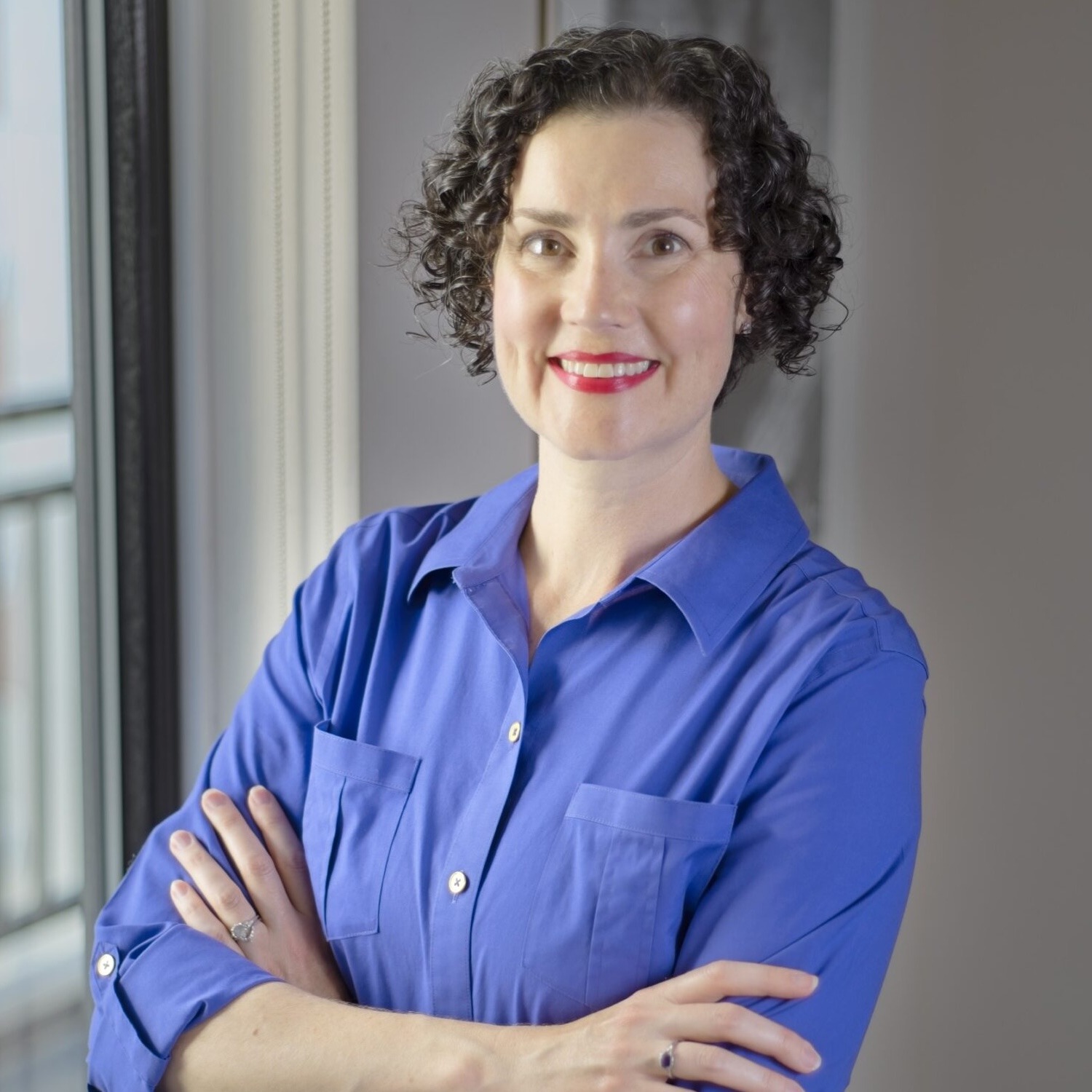
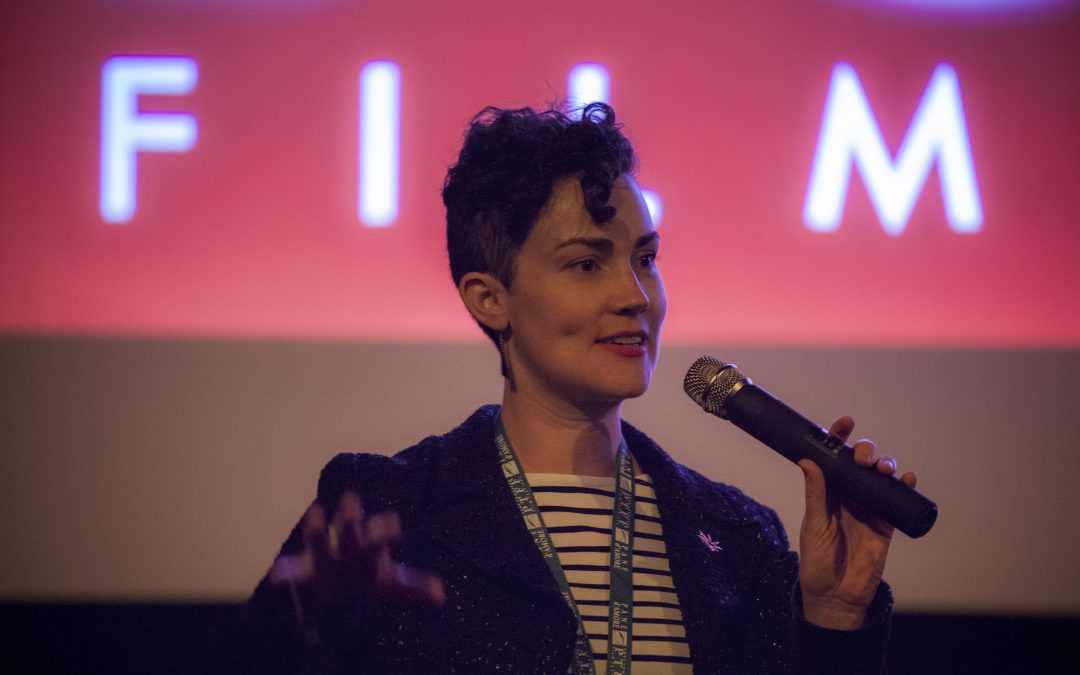
Windy Borman is a documentary filmmaker, Narrative Architect, and founder of WB Consulting LLC. She created the B.R.A.V.E. Framework™ — the narrative architecture system that gets the real version of female and non-binary executives from the Green Room to the mic.

0 Comments