
By Windy Borman, Narrative Architect | WB Consulting LLC
I learned the most important lesson about bold leadership in an Editing Room — not from a business book, a coach, or a TED Talk.
From a woman talking about cannabis.
The Editing Room
I was cutting the trailer for my documentary Mary Janes: The Women of Weed with my film editor. We were working from a Paper Edit — a filmmaker’s term for the script built from transcribed interviews. The best usable soundbites, arranged on the page, waiting to find their order.
We had powerful material.
“We’ve got the power.”
“It is the door that you take your foot and bust it down.”
That energy was real. Earned. It belonged in the trailer.
And then there was Betty Aldworth.
“Cannabis is not a gateway drug, but cannabis offenses are a gateway to the criminal justice system.”
We tried it in a few different places. The problem wasn’t the quote — it was that we kept forcing it to match the upbeat momentum around it. The energy of the other soundbites was pulling it somewhere it didn’t belong.
Eventually I realized: the quote wasn’t the problem. The architecture was.
So we reordered the soundbites around it, cross-faded to a different piece of music, and gave it breathing room.
Once we did that, everything else reorganized around it.
That sentence — not the loudest, not the most energetic — became the most referenced and quoted line in the film. Not because it was bigger. Because it was more specific than anything else in the room.
The Lesson I Thought I’d Learned
I thought I understood what that moment meant.
Specificity beats volume. The true version lands harder than the impressive one. Give your boldest line breathing room and it will do the work.
I thought I’d learned it. I hadn’t.
Opening Night
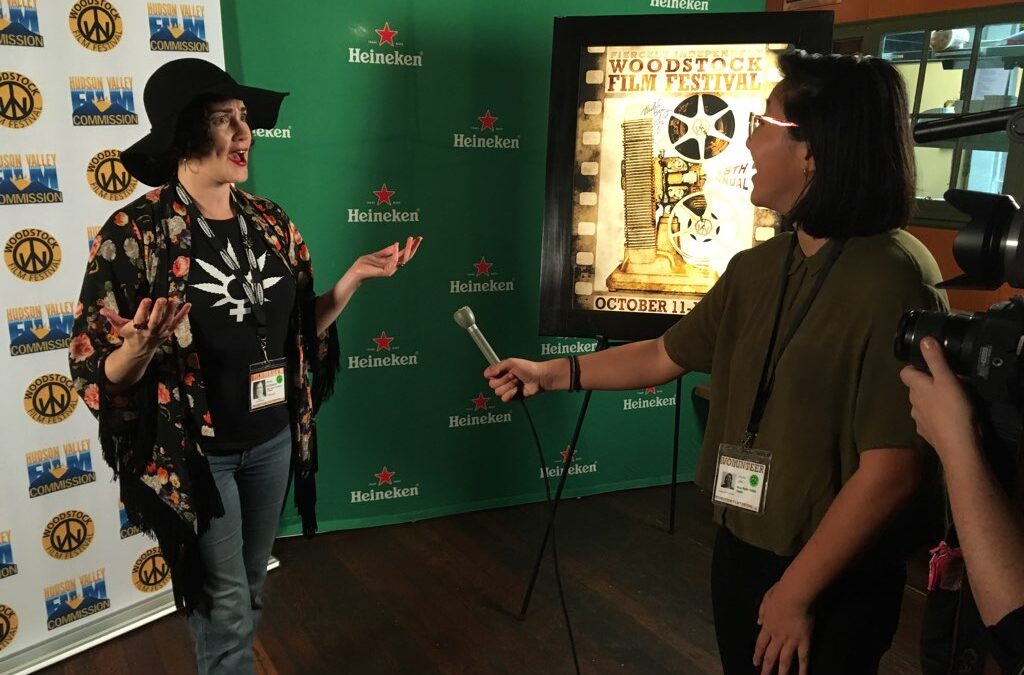
On October 8, 2017, Mary Janes: The Women of Weed had its World Premiere.
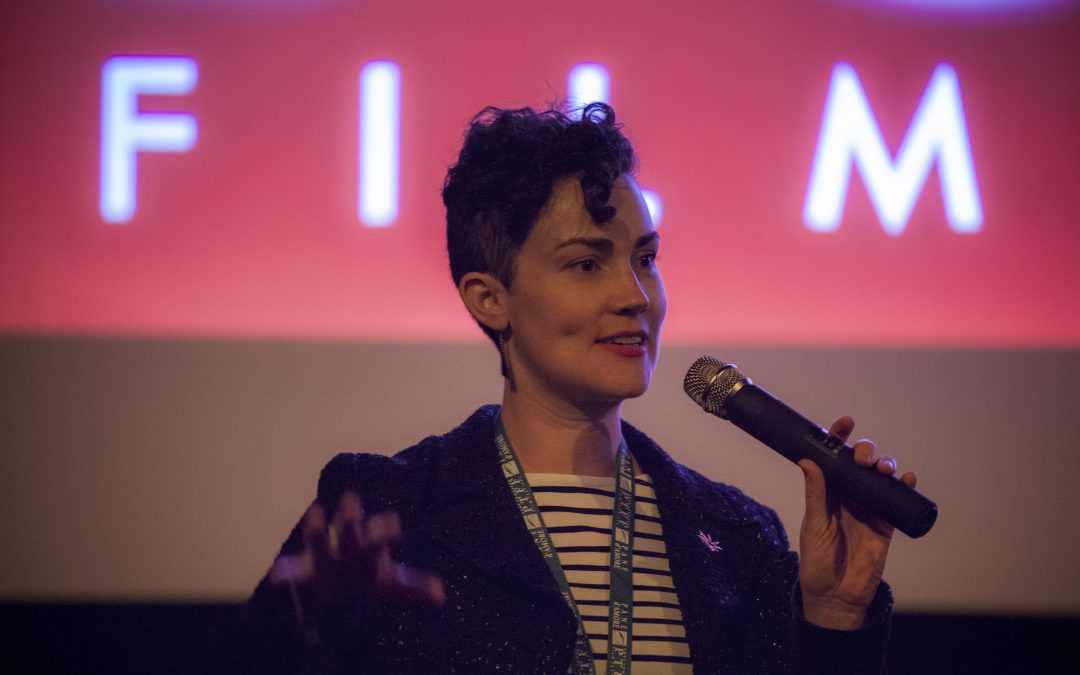
During the pre-screening panel, I had a quote that I thought was a “mic drop” moment — a big, impressive statement about cannabis legalization. The kind of thing that fills a room.
It landed with mixed emotions.
Three days earlier, on October 5th, the New York Times had published its investigation into Harvey Weinstein. The story that ignited the #MeToo Movement. The story that changed everything.
The next day (October 9th), during the second screening and second Q&A, I didn’t reach for the impressive version.
I spoke about female representation on camera and behind it. About why it mattered that women were leading the cannabis industry. About what happens in any emerging industry when men control the narrative from the beginning — and what we were trying to prevent.
The energy in the room was completely different.
Not because I was louder. Because I was specific. Because I gave the real reason I made the film.
The mic-drop I’d prepared was about cannabis.
The thing that landed was about women.
The Real Difference Between Impressive and True
Here’s what both moments — the Editing Room and Opening Night — taught me about bold leadership:
The impressive version is designed for the room. It says what sounds right, what lands safely, what earns the polite applause.
The true version is designed for the story. It says the specific, personal, unmistakably-YOU thing — the one that feels too small, too niche, too revealing to say out loud — but works.
The impressive version fills the room.
The true version changes it.
And here’s the reframe that changes everything for the women I work with:
You don’t have a boldness problem. You have an architecture problem.
The bold version of you isn’t missing. She’s been there all along — in the Editing Room, in the Green Room, in the aside you made to a trusted colleague before the moderator called your name. The work isn’t finding her.
It’s building the architecture that gets her from the Green Room to the mic, every time, on every platform.
The usable soundbite isn’t the most impressive thing you could say. It’s the most specific thing only you could say.
The B.R.A.V.E. Checklist is the pre-flight check that shows you exactly what you’ve been editing out — and how to put it back in. Less than 5 minutes. Free.
► DOWNLOAD THE B.R.A.V.E. CHECKLIST — FREE
The Executive Storytelling Scorecard shows you exactly where your most specific, true version is being left on the Cutting Room Floor. 15 minutes. Free.
► DOWNLOAD THE EXECUTIVE STORYTELLING SCORECARD — FREE
FURTHER READING
Want the complete guide to BOLD? Read: What BOLD Actually Means in Leadership (And What It Doesn’t)
Want to see if your boldest line is being edited out? Read: 5 Signs Your Boldest Line Is Still on the Cutting Room Floor
Ready to explore the full five-element framework? Visit: The B.R.A.V.E. Framework™
ABOUT THE AUTHOR
Windy Borman is a documentary filmmaker, Narrative Architect, and founder of WB Consulting LLC. She created the B.R.A.V.E. Framework™ — the narrative architecture system that gets the real version of female and non-binary executives from the Green Room to the mic.

0 Comments